

Productivity
Guide to Productivity

Apr
You already know you need to be more productive. The real question is: why does it still feel so hard? The truth is, most productivity advice is either too complex to follow or too vague to use. What you actually need is a simple, clear Guide to Productivity that works with your brain, not against it.
This guide gives you one promise: practical steps to improve your focus, output, habits, and mindset, using methods backed by real research and organized into actions you can start today. There is no hustle culture here. There is no fake guru tone. Just methods that work.
Productivity is not about doing more. It is about doing the right things, in the right order, with full focus.
What is the best way to be more productive every day?
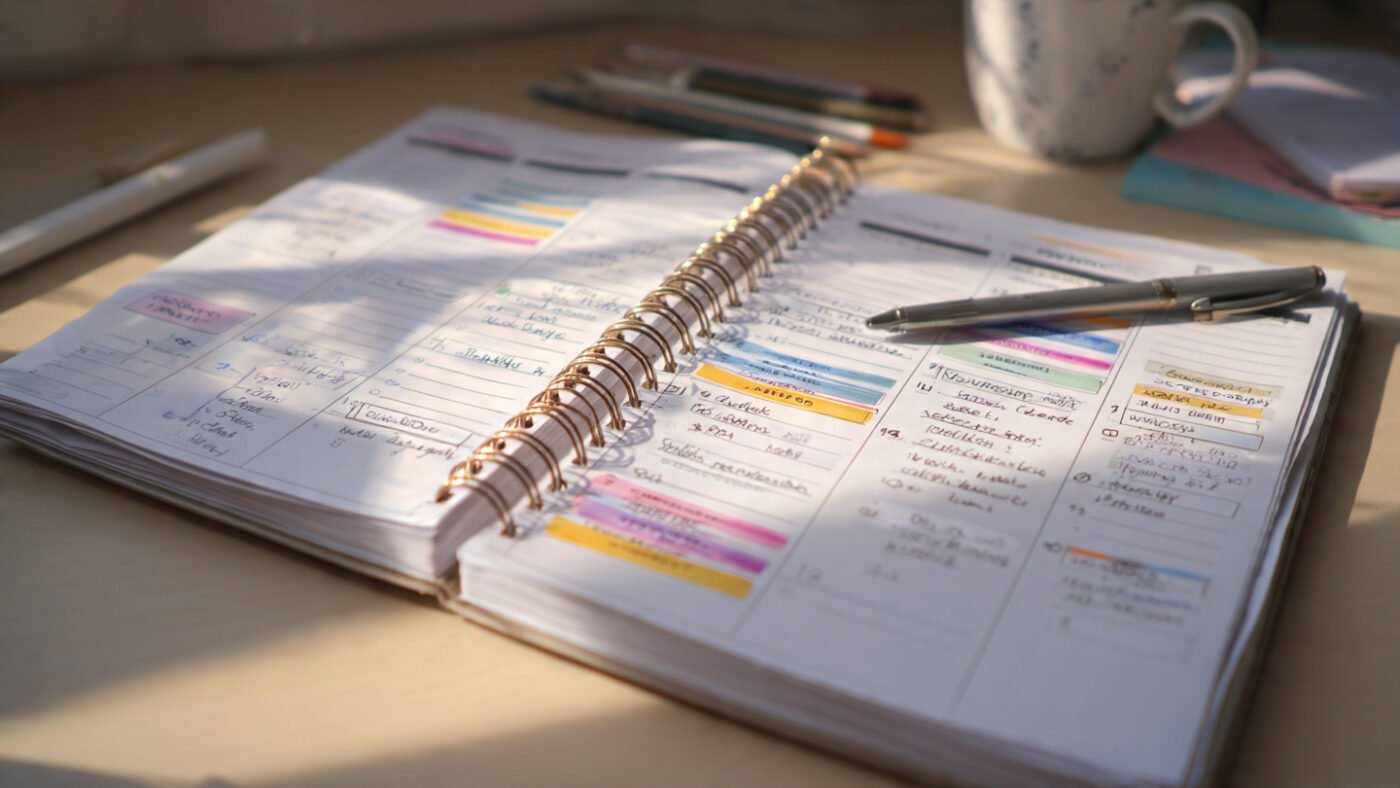
The best way to be more productive is to build a daily system, not rely on motivation alone. Motivation rises and falls. A system keeps running.
According to productivity expert James Clear, the most effective daily strategy is to do your most important task first, before distractions take over. Asana’s 2026 productivity guide confirms that time management works best when you combine clear priorities with reduced busywork and stronger focus habits.
So the answer is not more effort. It is better structure.
Your daily system
Start with this framework every day:
-
Write your three most important tasks before you open your phone.
-
Block your first 60–90 minutes for deep, focused work with no interruptions.
-
Review what you finished at the end of the day, not what you missed.
Pro tip
A Weekly planning system for success starts on Sunday evening. Spend 15 minutes reviewing what happened last week and writing your three priorities for the next five days. That one habit alone removes daily decision fatigue and keeps you aligned.
The best day starts the night before, and the best week starts before Monday.
How does time blocking actually help your focus?

Time blocking means you assign specific hours in your calendar to specific tasks, instead of working from a loose to-do list all day. It protects your attention by giving your brain permission to focus on one thing at a time.
Carnegie Mellon University research shows that single-tasking within defined time blocks improves focus quality by 23% compared to multitasking. The University of Southern California found that time blocking can increase overall productivity by up to 50% when applied consistently. In addition, research from UC Irvine found it takes an average of 23 minutes to regain full focus after an interruption — which is exactly what time blocking prevents.
That means every time you switch tasks without a plan, you lose nearly half an hour of real focus.
How to use time blocking
Set up your calendar like this:
-
Morning block (60–90 min): Your hardest, most important task. No email, no messages.
-
Mid-morning block (45–60 min): Second priority or creative work.
-
Afternoon block (30–45 min): Admin, messages, quick tasks, and meetings.
-
End-of-day block (15 min): Review your output and plan tomorrow.
Important consideration
Time blocking does not mean filling every minute. Leave buffer time between blocks to handle unexpected tasks. A calendar with zero breathing room will break by 10 AM.
A blocked calendar does not trap you. It protects you from the noise.
What is deep work and why does it matter?
Deep work is distraction-free concentration on a cognitively demanding task that pushes your mental ability to its limit. The term was coined by Georgetown computer science professor Cal Newport in his book Deep Work: Rules for Focused Success in a Distracted World.
Deep work is the Deep work method that produces high-value output: writing, coding, designing, analyzing, or solving hard problems. It is the kind of focus that shallow work — email, meetings, quick messages — cannot replace.
The difference matters because the average knowledge worker is interrupted every 3 minutes and 5 seconds. It then takes 23 minutes to fully regain focus after each interruption. Without a system like deep work, your most important hours disappear into low-value tasks.
How to apply the Deep work method
Use this structure:
-
Define the task: Know exactly what you will produce in this session.
-
Block the time: 60–90 minute sessions with zero notifications.
-
Protect the environment: Phone in another room, website blockers on.
-
Repeat: Deep work is a skill. The more you practice it, the stronger your focus becomes.
Newport stresses that deep work is not a talent — it is a trained skill that gets stronger with repetition, just like a muscle.
Important consideration
Cal Newport also warns against “attention residue,” which happens when you switch tasks before finishing the first one. When you jump to Task B while Task A is still open, your attention stays split between both. So finish one focused block completely before switching.
Deep focus is the skill that separates average output from excellent output.
How can I stop procrastinating and actually get started?

Stop procrastination starts when you understand why you procrastinate. Most of the time, it is not laziness. It is avoidance of discomfort — usually fear of failure, overwhelm from the task size, or lack of clarity on where to start.
The fix is to reduce the cost of starting, not to increase willpower.
3 ways to stop procrastination fast
Use these:
1. The 2-minute rule: If the task takes under two minutes, do it now. If it takes longer, do only the first two minutes and keep going.
2. The Pomodoro technique: Set a timer for 25 minutes. Work with full focus. Take a 5-minute break. After four rounds, take a 20–30 minute break. Healthline notes that this method trains your brain to tolerate sustained focus in short, repeatable sessions.
3. Shrink the task: If you are avoiding something big, you have probably built it into something too large in your mind. Break it into three smaller actions, then do only the first one.
Pro tip
Most procrastination happens in the gap between planning and starting. Therefore, end each work session by writing the first action of your next session. That removes the startup cost and cuts procrastination before it begins.
Procrastination is not a character flaw. It is a signal that the task needs to be smaller or clearer.
Does a 5 AM routine actually make you more productive?
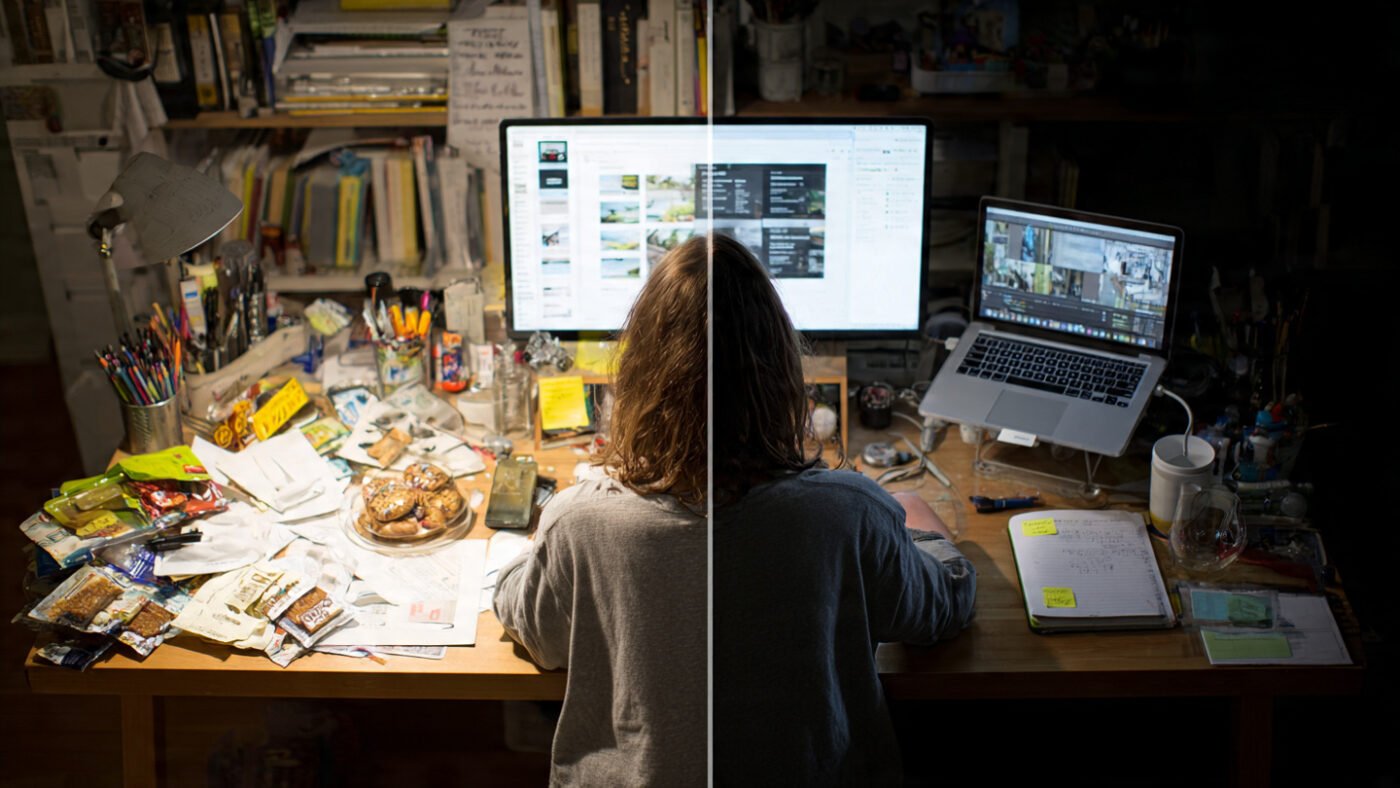
A 5 AM routine works for many people, but not because 5 AM is magic. It works because early morning hours are quiet, protected from demands, and free from interruptions.
Studies cited by Wake Up World show that early risers tend to have better focus, healthier habits, and more regulated cortisol levels throughout the day. Waking early also gives you what Tonari describes as “the compound effect”: if you use one extra hour productively each morning, that becomes 365 additional focused hours per year dedicated to your goals.
However, the 5 AM routine only works if your sleep is not shortened to make it happen. Sleep deprivation destroys focus, memory, and emotional control faster than almost any other factor.
A simple 5 AM morning structure
If you want to try it, keep it simple:
-
5:00–5:10: No phone. Drink water. Sit in quiet.
-
5:10–5:25: Light movement or breathing.
-
5:25–5:30: Read your priorities for the day.
-
5:30–7:00: First deep work block.
Important consideration
A 5 AM routine is not right for everyone. Night owls and people with different chronotypes may perform better with a late-morning routine instead. What matters is protecting a consistent first-hours block for your most important work, at whatever time that works for your schedule.
What is a dopamine detox and can it improve your focus?
A Dopamine detox is a structured period where you remove high-stimulation inputs — social media, streaming, news, gaming — to reset your brain’s attention system and improve your ability to focus on slower, deeper work.
Heavy digital multitasking is associated with reduced sustained attention, increased distractibility, and more difficulty filtering irrelevant information. That is the exact opposite of what deep work and productivity require. One Reddit user who tracked a 14-day dopamine detox reported a 191% increase in self-rated productivity and a 168% improvement in focus compared to their baseline.
The idea is not that dopamine is bad. Rather, it is that constant low-effort rewards from phones and social media lower your brain’s tolerance for the slower, harder effort that focused work demands.
How to do a practical Dopamine detox
You do not need an extreme 24-hour digital blackout. Instead, try this:
-
Remove social media apps from your phone for 48 hours.
-
Set specific phone-check windows twice per day.
-
Replace scroll time with walking, reading, or writing.
-
Use a website blocker like Freedom or Cold Turkey during work sessions.
Pro tip
A Minimalist productivity system pairs well with a dopamine detox. Fewer tools, fewer apps, fewer decisions, and one clean workspace reduce mental clutter and make it easier to stay focused for longer.
Your attention is your most valuable resource. Whatever constantly pulls it away is your biggest productivity problem.
What are the best productivity apps in 2026?
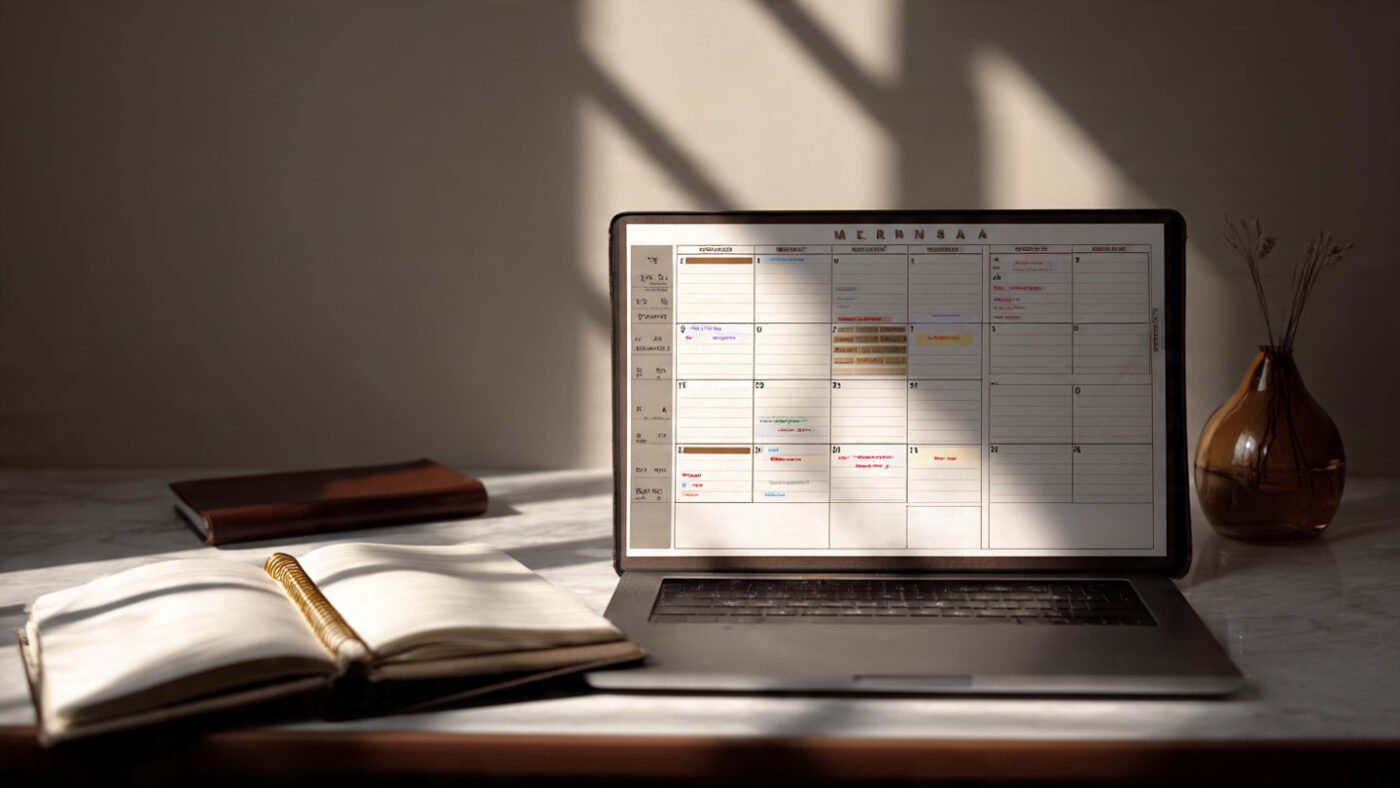
The Best productivity apps in 2026 depend on your work style, but the most consistently recommended tools focus on task management, focus sessions, and reducing friction in your workflow.
Here are the top options based on expert reviews and 2026 recommendations:
Important consideration
More apps do not mean more productivity. In fact, switching between too many tools adds friction and increases mental load. Choose one planning tool, one focus tool, and one capture tool. Then use them consistently.
The best productivity app is the one you actually use every day.
How can I focus for 8 hours straight without burning out?
You cannot focus for 8 hours straight at full intensity, and trying to do so will hurt your output. Your brain cannot sustain deep focus for eight continuous hours. Research from the University of Illinois confirms that brief mental breaks actually restore focus and improve performance over a long session.
However, you can produce 6–8 hours of high-quality work by structuring your day properly with focused blocks, planned breaks, and good physical habits.
How to build a full focused day
Use this daily structure:
-
Block 1 (90 min): Deep work on your most important task.
-
Break (15 min): Walk, stretch, drink water. No screen.
-
Block 2 (60 min): Second priority work.
-
Lunch break (30–45 min): Step away from your desk completely.
-
Block 3 (60 min): Communication, email, meetings, admin.
-
Block 4 (45–60 min): Creative or learning-focused work.
-
End-of-day review (15 min): Close loops, plan tomorrow.
Important consideration
Physical habits affect cognitive output directly. Paymo’s 2026 productivity guide identifies sleep, diet, exercise, and regular breaks as foundational to sustained workplace performance. Therefore, ignoring your body always costs you your focus.
You do not focus for 8 hours. You protect 4–5 hours of deep focus inside an 8-hour day.
Productivity methods compared
Who is this guide for?
This Guide to Productivity works best for:
-
Beginners who feel overwhelmed and do not know where to start.
-
Remote workers who struggle with distractions at home.
-
Students trying to manage study time better.
-
Creators, writers, and professionals who need long blocks of uninterrupted work.
-
Anyone who works hard but still ends the day feeling behind.
It may help less if you want a single magic tool that fixes everything overnight. Productivity is built through consistent systems, not one-time hacks.
Common mistakes that kill productivity
Avoid these:
-
Multitasking. Constantly switching between tasks can eat up to 40% of your productive time.
-
No clear priorities. A to-do list without ranking is a stress list, not a productivity tool.
-
Skipping breaks. Ignoring rest always leads to slower work and weaker decisions later.
-
Too many productivity apps. More tools create more distraction, not less.
-
Checking email first thing in the morning. Starting with email sets a reactive day instead of an intentional one.
Reflection prompts
Use these at the end of your workday:
-
What was my most focused hour today? What made it possible?
-
What task did I delay, and what was the real reason?
-
Did my time blocking plan hold? What disrupted it?
-
Did I do any deep work today, or mostly shallow work?
-
What will I do first tomorrow to protect my best focus hours?
7-day productivity reset plan
Day 1: Write your three priorities. Block the first 90 minutes tomorrow.
Day 2: Try one Deep work method session. Phone out of the room for 60 minutes.
Day 3: Remove one app from your phone that pulls your attention most. Start a light Dopamine detox.
Day 4: Set up your Weekly planning system. Review last week, plan this week in 20 minutes.
Day 5: Try the 5 AM routine for one morning. Use the extra time for your most important task.
Day 6: Build a Minimalist productivity system. Use one planning tool, one focus tool, and delete what you do not use.
Day 7: Review what changed. Pick the two habits that helped most and commit to them next week.